What Does QSR Mean? A Guide to Quick Service Restaurants
If you’re considering restaurant franchise ownership, you’ve probably encountered the term “QSR.” What exactly are QSRs and what makes this segment of the restaurant industry appealing as a potential franchisee or franchise investor? This guide will answer those questions and help you understand why it may be worth considering as a franchise opportunity.
Key Takeaways
• QSR stands for quick-service restaurant and emphasizes speed, convenience, and streamlined operations.
• Fast-casual restaurants combine the convenience of QSRs with greater emphasis on food quality and the customer experience.
• QSR and fast-casual franchises can offer scalable operating models, multiple customer ordering channels, and opportunities for multi-unit ownership.
• Teriyaki Madness combines the Fast Casual and Asian categories with tools and support designed for both first-time and experienced franchisees.
What is QSR?
QSR stands for quick-service restaurant. This term refers to places that are known for their fast service and convenience. When you think of QSR, imagine the popular fast-food chains that are part of our everyday lives. These restaurants focus on getting food to customers quickly, often offering takeaway or drive-thru options. A QSR is different from traditional sit-down restaurants. The main difference is in how they operate.
- Speed and efficiency: Quick service is right there in the name. The time from placing an order to receiving a meal is generally shorter than at casual or fine-dining restaurants.
- Simplified menus: These restaurants typically have a more streamlined menu, focusing on items that can be prepared quickly.
- Accessible price points: QSRs offer meals at a lower price point, helping them appeal to a broader customer base.
- Convenience: Common options such as online ordering, delivery, takeout, and drive-thru service cater to modern consumers who want meals that fit into busy schedules.
What is Fast Casual?
Between traditional fast food places and full-service restaurants, there’s a concept called fast casual. It combines the convenience of fast food with better ingredients and a nicer dining experience. In fast-casual restaurants, you usually order at the counter and then have your food brought to your table. The vibe is typically relaxed and welcoming, often with modern decor and an open kitchen. While both fast casual and fast food offer quick service and casual dining, the main differences are in menu prices, ingredient quality, and the overall experience.
How Consumer Behavior Is Shaping the QSR & Fast-Casual Industry
Convenience has become a key part of the restaurant experience. For quick-service and fast-casual franchise owners, this is a chance to serve customers through takeout, online ordering, and delivery. The National Restaurant Association’s 2025 Off-Premises Restaurant Trends report found that 47% of adults pick up takeout at least once a week, 42% use a drive-thru at least once a week, and 37% order delivery at least once a week. More than 60% of younger adults say they use takeout, drive-thru, and delivery more often than they did a year ago.
Why Own a QSR or Fast-Casual Franchise
The franchise industry is on the rise. The International Franchise Association expects the number of franchise locations to grow by 1.5% to about 845,000, with total franchise sales projected to hit $921.4 billion by 2026. The same report shows that successful single-unit franchise owners are increasingly investing in more locations, becoming multi-unit operators, looking to expand, and using their operational know-how.
Here are several reasons investors consider food franchise opportunities:
- Demand for convenience: Nearly 75% of all restaurant traffic now occurs off-premises, according to the National Restaurant Association’s research.
- Multiple ways to reach customers: Online ordering, takeout, delivery, and other off-premises channels can give restaurant owners multiple ways to generate sales.
- Franchise support: Franchisees can benefit from the training, systems, and ongoing support provided by the franchisor instead of developing every business process independently.
- A scalable operating model: A streamlined menu, defined operating procedures, and a repeatable customer experience can make it easier to replicate the business model as an owner expands to additional locations.
Evaluating QSR & Fast-Casual Brands
Investors are attracted to this part of the restaurant industry because of the demand for convenience, various sales channels, support from franchisors, and a business model that can grow easily. However, these benefits can differ from one brand to another. Once you grasp what QSR and fast casual mean, the next step is to explore how specific franchise opportunities make the most of these advantages.
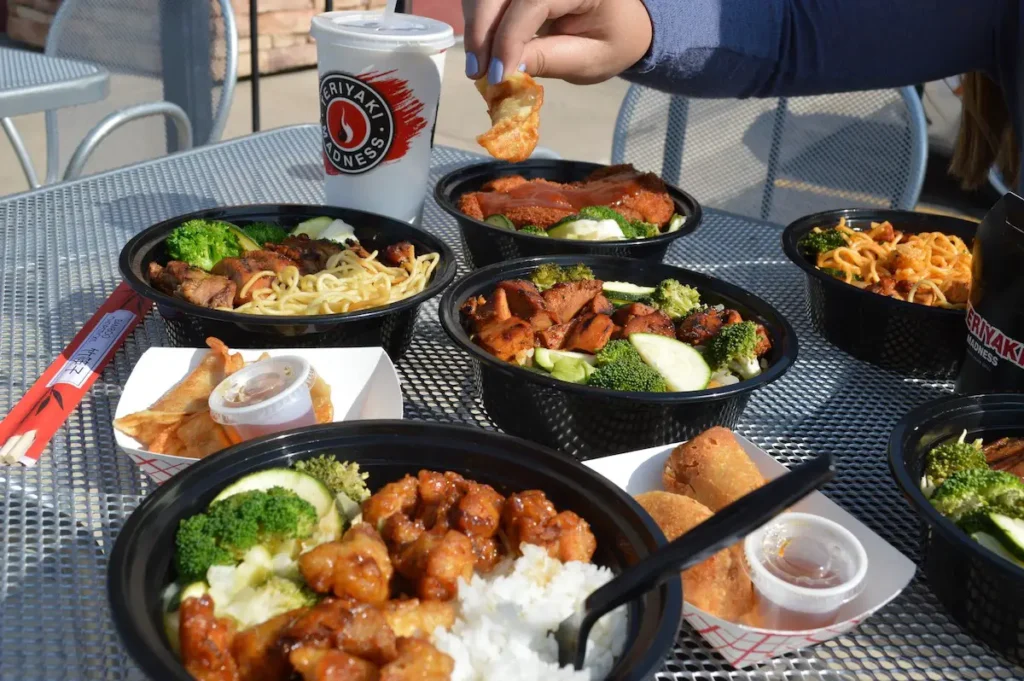
One example is Teriyaki Madness. This brand falls under the fast casual and Asian cuisine categories, both of which have been growing steadily in recent years. It offers a simple menu along with the systems needed for off-premises ordering, delivery, and takeout. Additionally, it provides training and support for franchisees at all stages, whether they are opening their first location or expanding to multiple units.
TMAD: The Tastiest & Smartest Option
Understanding what QSR means is only the beginning. The more important question is whether a particular restaurant franchise opportunity offers the combination of customer demand, operational simplicity, scalability, and support you’re looking for.
Download our Franchise Report to learn more about franchise ownership with Teriyaki Madness.

